Understating the value of goods — is the loophole closed?
Continuing the previous post, we will look at one of the most popular ways importers reduce their tax burden, and why it no longer works.
Understating the customs value — in brief
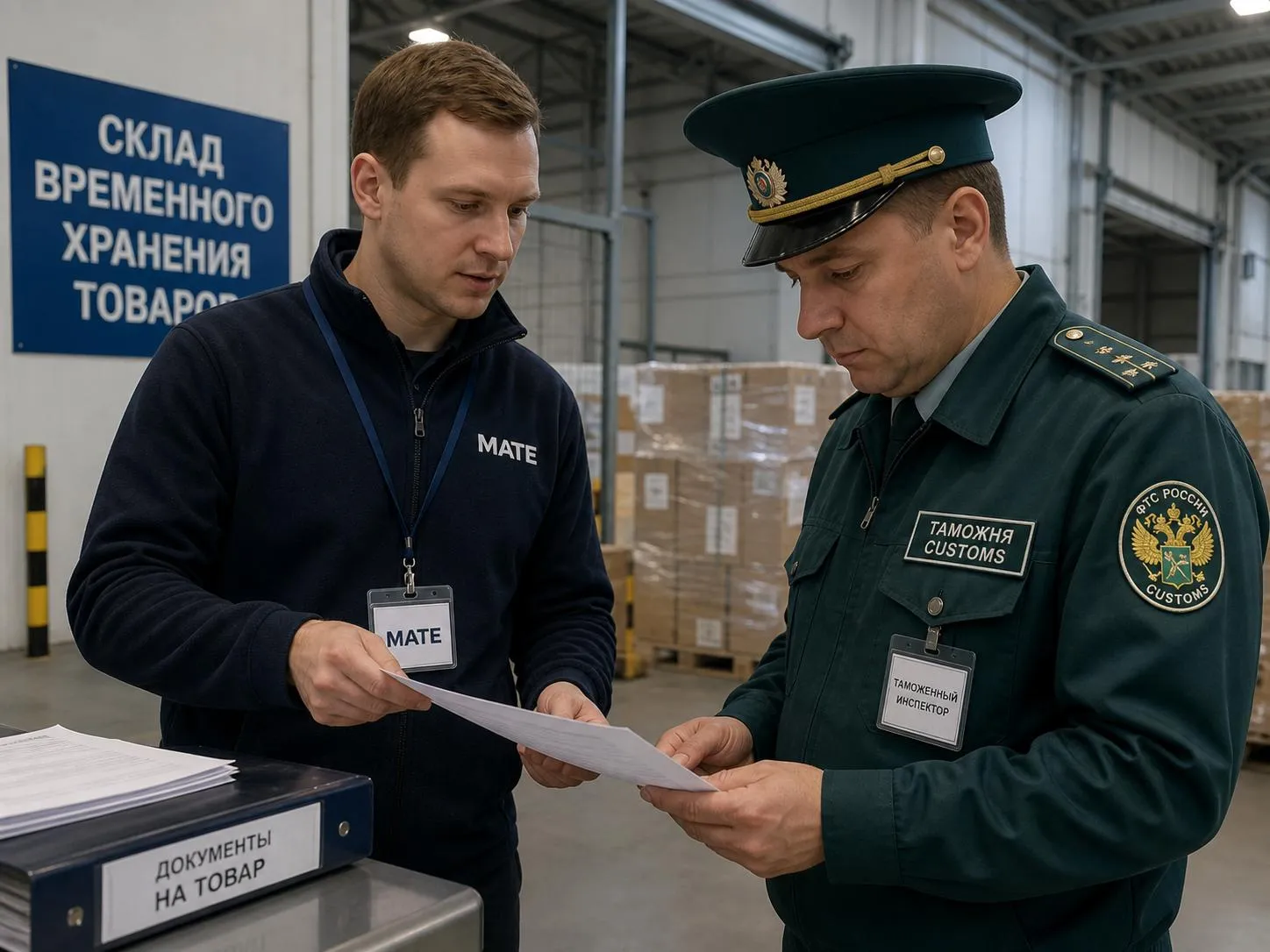
During customs clearance, a customs inspector checks the declaration for the goods. If, by the Federal Customs Service’s (FCS) calculations, the declared value is understated, a value adjustment procedure begins.
As a reminder, customs value includes all the costs the importer incurred in bringing the goods into Russia.
We will not dive into the adjustment procedure itself. What matters here is clear: goods whose value has been artificially understated by 30–40% will not enter the country without consequences.
What to do “if it happened anyway”, but the importer is clean
An FCS request always comes with a document explaining the case and calculating the security deposit. In short, the importer must pay the deposit into the FCS account; only after that is the declaration released and the goods can be taken away for sale.
After release, the importer is given a set period to submit evidence, after which customs decides whether it satisfies the inspector. If the answer is negative, the deposit is permanently collected by the customs authority. If the evidence is accepted, the funds are unfrozen on the importer’s FCS account.
In MATE’s practice we regularly receive FCS requests to prove the value of goods even where nothing was understated. And we are proud of our work: to date we have a 100% success rate on all FCS requests.
For consultations and proposals, our managers are here — Ada and Rail